Your safari is booked, flights confirmed, and the countdown is on. That familiar pre-trip buzz is building, but the inevitable “what should I pack?” panic has set in. The good news? It’s not complicated at all. Once you grasp how a typical day in the bush unfolds – from crisp early mornings to warm afternoons and cooler evenings – you’ll wonder what all the fuss was about.
We plan these journeys every day, drawing on decades of expertise to ensure everything runs smoothly. The winning formula is super simple: light luggage, neutral-toned clothing, thoughtful layers, and only the essentials you’ll actually use. You’ll encounter those classic safari elements – shifting temperatures, a bit of dust in the air, and bumpy game-drive tracks – but with this straightforward packing approach, you’ll be prepared for it all without a hitch.
Being on safari in Africa has a way of stripping away the unnecessary, and excess will only weigh you down. Keep it simple, and you’ll free yourself to focus on what truly matters: the wildlife, the landscapes, and those quiet moments of wonder.
Let’s walk through it step by step, with the practical insights we’ve honed over years of planning trips just like yours.
_____________________________________________________________________________________________________________________________________________________
Start with the Right Luggage
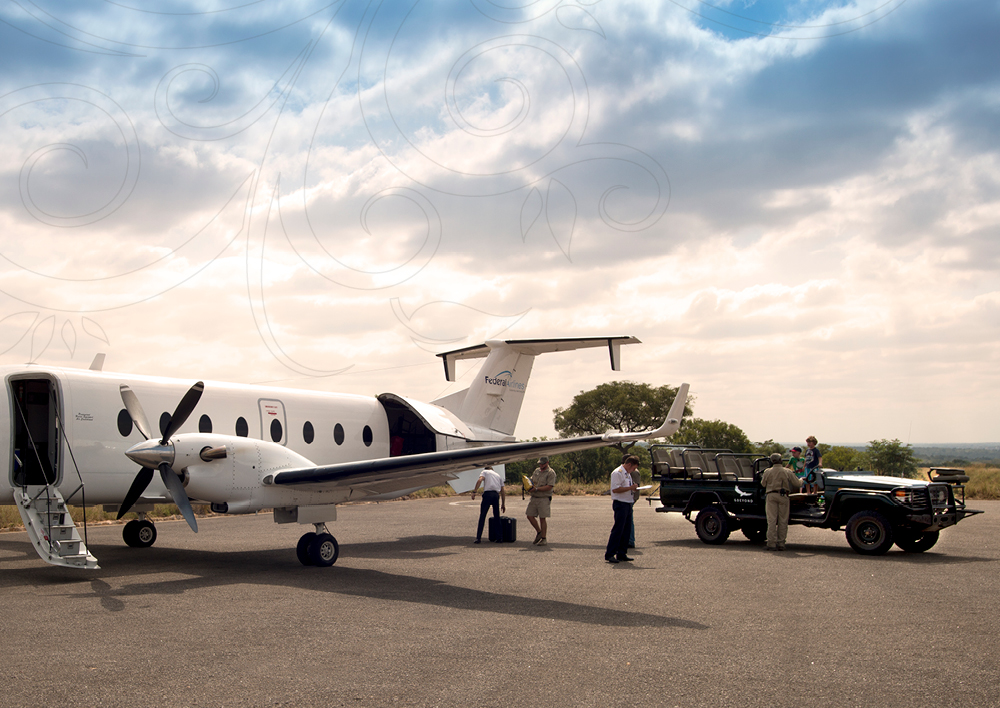
Most safaris in Southern and East Africa include light-aircraft transfers between camps, and these small carriers impose firm rules. Hard-shell suitcases, especially anything with wheels or rigid frames, won’t fit in the holds. A soft-sided duffel is the only practical choice – it compresses, stacks easily, and survives rough handling without complaint.
Luggage weight limits are strict!
The luggage restriction on the scheduled charter flights in South Africa, Botswana, Zambia and Zimbabwe is 20kgs (44lbs) per person which needs to be packed in soft-sided duffel bags. This weight limitation includes your hand luggage.
In Kenya, Tanzania and Namibia the luggage limit is 15Kgs (33lbs) per person packed in soft-sided duffel bags. This weight limitation includes your hand luggage.
Check the exact allowance for your itinerary well in advance with your consultant. With daily laundry at most good camps (often included), you don’t need a large wardrobe; a medium duffel (50–70 litres) plus a compact daypack is usually more than enough.
What to Wear on Safari: Neutral, Natural, Practical, Layered
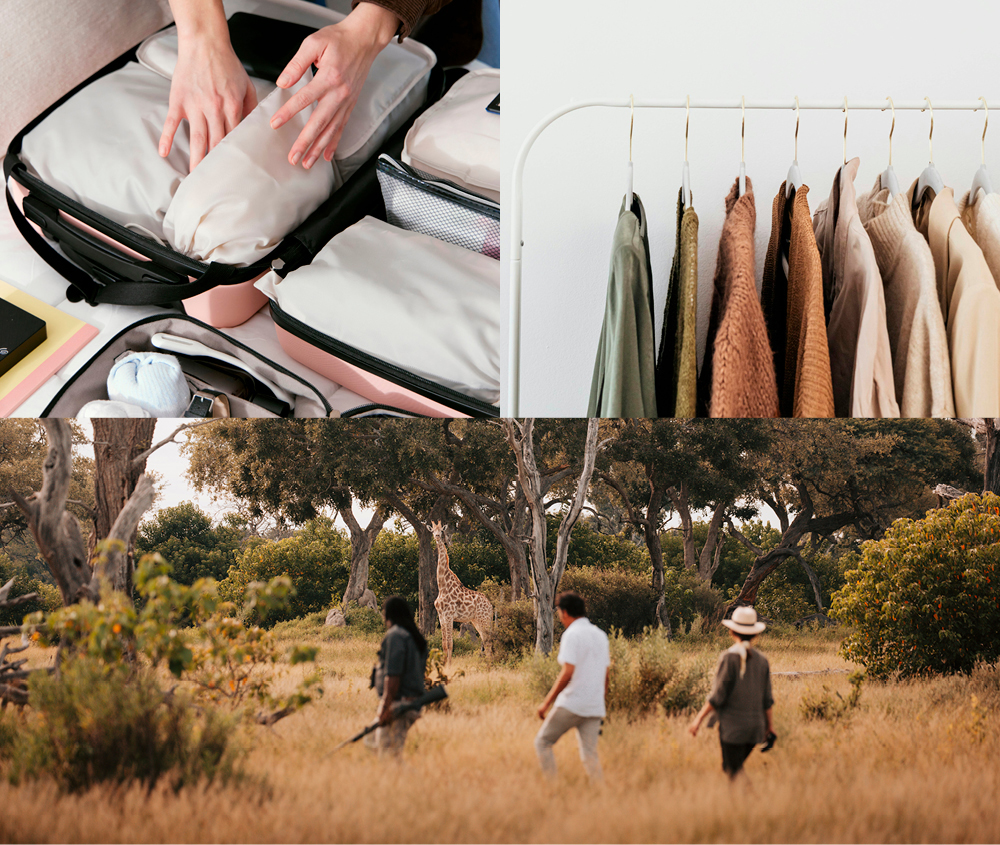
Safari clothing developed out of necessity, and the time-tested choices still make the most sense. Neutrals – khaki, stone, olive, beige, soft grey – are best. They don’t show dust quickly, stay cooler in strong sun, blend into the landscape, and are far less likely to startle wildlife. In areas with tsetse flies, steer clear of bright colours, reds, blacks, or dark blues; they attract bites.
You don’t need to buy special “safari” brands. Good-quality, breathable natural fabrics – cotton, linen blends – from your own wardrobe work perfectly well. Mornings frequently start cold (sometimes well below 10°C/50°F in winter), afternoons heat up, and evenings cool again. The practical way to handle it is to dress in layers you can take on and off easily as the day changes.
Core pieces for a 7–10 day safari:
- 3–4 lightweight long-sleeved shirts or tops (they protect against sun and insects far better than short sleeves alone)
- 2 comfortable trousers (quick-dry or zip-off styles give excellent flexibility)
- 1–2 pairs of shorts
- A warm, wind-resistant fleece or softshell jacket for those early, chilly drives
- A beanie in the winter months
- A lightweight, packable rain shell (particularly important in the green season or if the forecast is uncertain)
Evenings at camp are relaxed – there is no dress code, and the vibe is informal. Long trousers and sleeves after dark help keep mosquitoes at bay; a light scarf or shawl is useful for extra warmth without bulk.
Footwear: Keep It Straightforward
Most of your time is spent seated in open vehicles. Unless you’re doing a multi-day walking safari, heavy hiking boots are unnecessary.
- Well-broken-in trainers for game drives and general use
- Sturdy closed-toe shoes for any guided bush walks (ordinary trainers are usually sufficient)
- Comfortable sandals or flip-flops for around camp and poolside
A supportive sports bra makes a real difference on rough tracks, and bring plenty of socks and underwear – small comforts that matter more than you expect.
Sun, Dust, and the Must-Have Essentials
These items aren’t optional once you’re in the field:
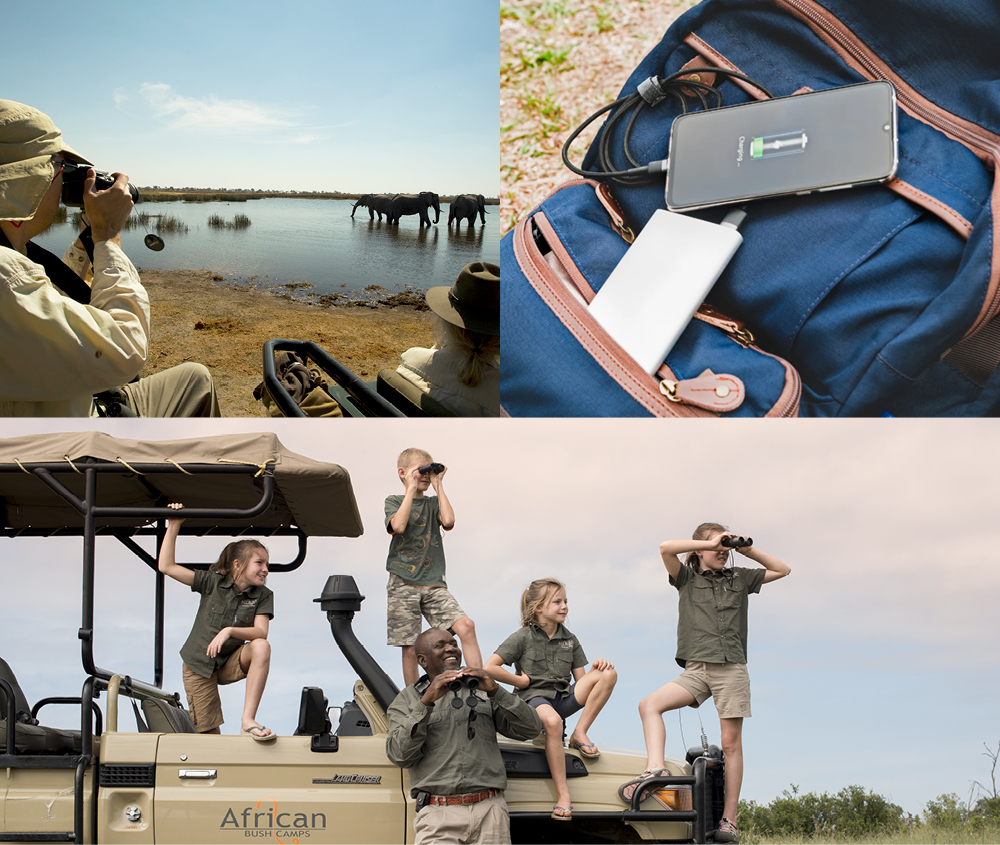
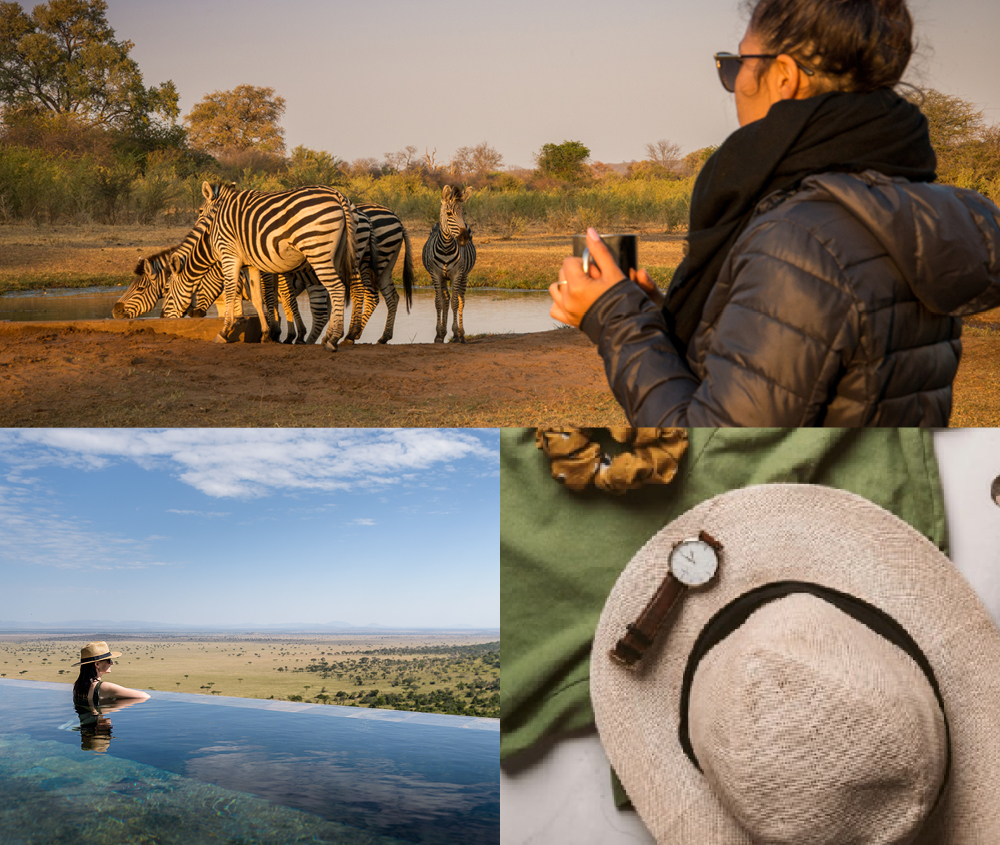
- A wide-brimmed, packable hat for proper sun protection
- A warm beanie for cold morning drives
- Polarized sunglasses with a retaining strap (you’ll be taking them on and off constantly when using binoculars)
- A lightweight scarf, buff, or bandana (doubles as dust shield, neck warmer, quick cover-up)
- Swimwear (choose modest styles out of respect for local customs; many camps have pools)
- High-SPF sunscreen and lip balm, DEET-based insect repellent (Peaceful Sleep or similar), body wipes for a quick freshen-up between showers
Pack all personal medications in your carry-on, with enough for the entire trip plus a safety buffer. Add the basics: antihistamine cream or tablets, pain relief, antiseptic, plasters, and anti-nausea medication if bumpy travel affects you. For malaria areas, speak to your doctor or a travel clinic well in advance – ideally 6–8 weeks before departure.
Cameras, Binoculars, and Tech
You don’t need professional-level equipment to make memorable photo memories. Many people now rely on smartphones and get excellent results. A quality pair of binoculars changes everything; they let you see subtle behaviours and pick out details at distance that you’d otherwise miss.
We recommend 8×42 binoculars as the ideal balance: bright in low light, sharp, and comfortable to hold for long periods. Brands such as Maven, Vortex, or Swarovski deliver real performance – buy the best pair your budget allows. Some camps provide binoculars, but your own familiar set is always preferable.
Other useful items:
- Camera with spare memory cards and batteries
- A small power bank for extended game drives
- Universal adaptor plugs
- Protective dust bags or cases for gear
_____________________________________________________________________________________________________________________________________________________
WHAT TO LEAVE AT HOME
Keep it simple:
- Hard luggage or anything with wheels/rigid structure
- Valuables or excessive jewellery
- Drones (prohibited or heavily restricted in most areas)
- Single-use plastic bags (banned in several countries)
- Extra outfits you’re unlikely to wear
_____________________________________________________________________________________________________________________________________________________
SPECIFIC SAFARI / REGIONAL NOTES
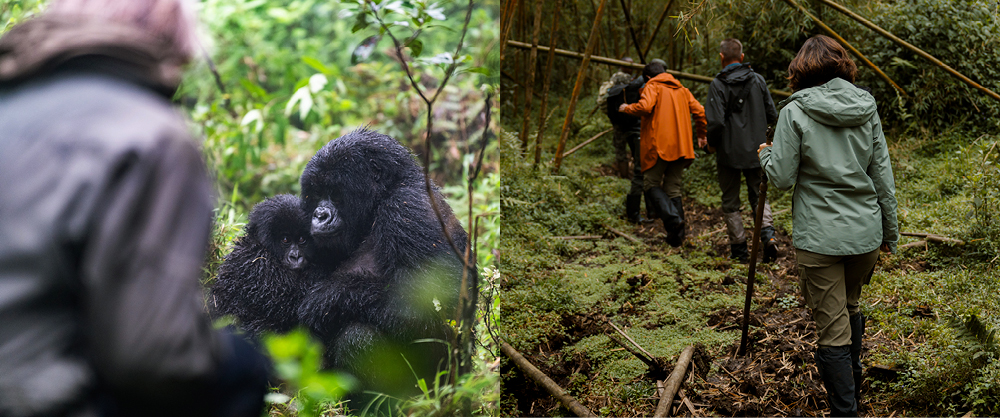
Gorilla trekking (Uganda/Rwanda): This is an active excursion and often wet/muddy. Sturdy, well-broken-in hiking boots with good grip are essential, together with long trousers and shirts for scratch/insect protection, gaiters if conditions are wet, lightweight waterproofs, gloves for handling vegetation, and a daypack. Walking sticks are generally provided at the trailhead.
Beach extensions (e.g., Mozambique): Light, breathable, and relaxed – add sarongs, reef-safe sunscreen, flip-flops, linen shirts or dresses, and simple sandals for evenings.

Botswana: Soft-sided luggage only; pack additional warmth for winter mornings (May–August can be surprisingly cold).
East Africa: Long sleeves and trousers help with insects; closed shoes for walking activities.
City stops (Cape Town and similar): One or two smart-casual outfits and comfortable walking shoes for exploring.
USEFUL DOWNLOADS (BEFORE YOU GO)
Downloading a few key apps before you travel makes life much easier once you’re in remote areas with limited signal.
- Travelkey App
This is your personalised detailed itinerary accessible from your Southern Destinations consultant. - Roberts Bird Guide App
Excellent for bird identification in Southern and East Africa. A favourite among guides and keen birders. - iNaturalist
Great for identifying plants, insects and animals, and learning more about what you’re seeing in the bush. - Google Maps (offline maps downloaded)
Helpful for city stops, transfers and navigation when signal is limited. - Airline apps
Useful for mobile boarding passes, flight updates and notifications.
Once you’ve arrived, safari settles into its own unhurried rhythm – early mornings full of promise, quiet hours for watching and reflecting, evenings under enormous skies. Pack for comfort and ease, leave space in the bag for memories and curios, and let the African bush do what it does so well. Bon voyage!
Click on the graphic below to download our printable Safari Packing Checklist.